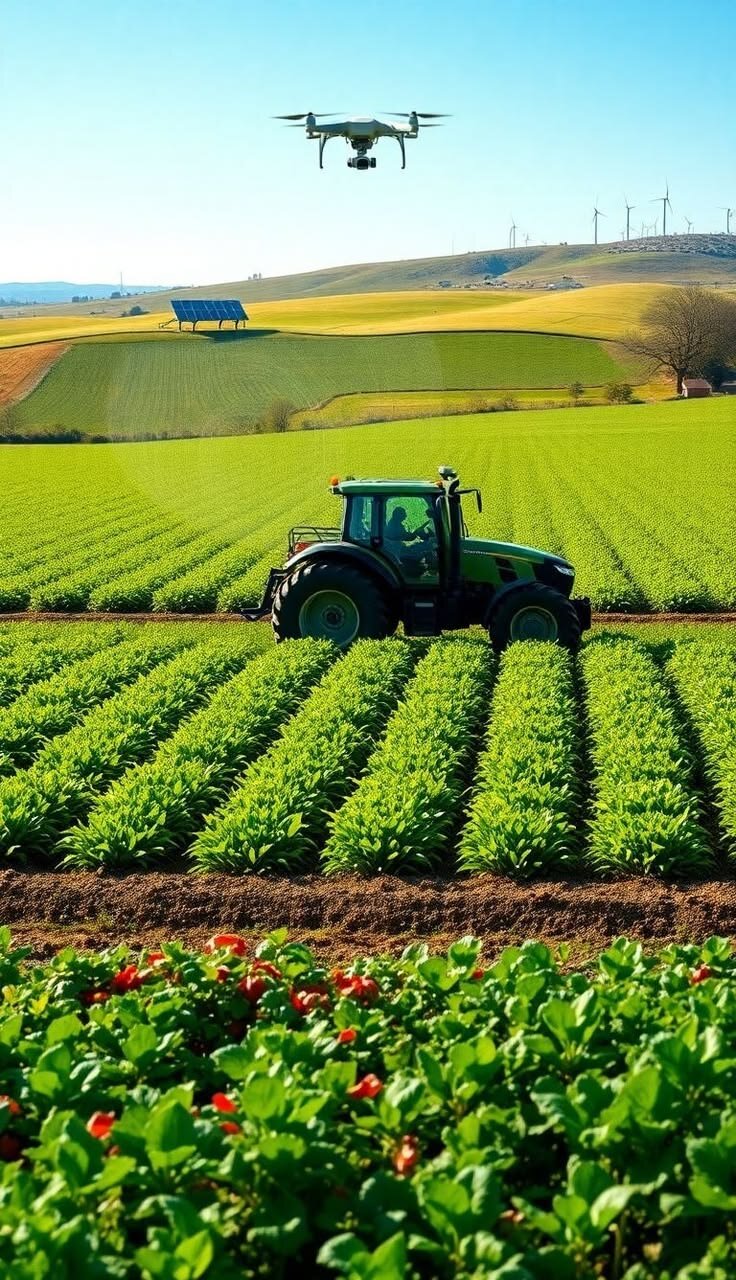
Flight altitude, overlap, timing and weather: everything you need before your first mapping mission.
Precision agriculture is changing how farms operate. Drones that once seemed like a luxury are now one of the fastest ways to cut input costs and react to problems before they spread. In this article we walk through what we have learned from hundreds of flights with farmers across the region.
Start with the basics
Before every flight, check your batteries, propellers and nozzles. Small issues like a chipped blade or a partly blocked nozzle can reduce efficiency and coverage. Keep a simple pre-flight checklist in your kit and follow it every time.
“The biggest savings come from consistency: the same checks, the same settings, every field, every time.”
Plan around the weather
Early morning and late afternoon usually offer the calmest winds and lowest evaporation. Avoid flights when wind exceeds 6 m/s and when rain is expected within two hours of application.
- Calibrate flow rate at the start of each season
- Log every flight for traceability
- Clean tanks and nozzles after each day
Keep learning
Technology moves quickly. Join our training sessions or contact the AgricX team at hello@agricx.com for advice on your specific crops and terrain.
Back to Blog